Moving to The Beaches Toronto: Buyer & Investor Guide 2026
The Beaches sits apart from the rest of East Toronto on one number alone: price. Before comparing school ratings or transit scores, it's worth asking what that gap actually buys, and who it's worth paying for.
The Price Gap, By The Numbers
Homes in The Beaches list for an average of $2,208,000 and sell around $1,681,793. Against list prices, that's 60 to 70 percent above Leslieville (median $1,350,000) and Riverdale (North Riverdale at $1,300,000, South Riverdale around $1,228,000). Compare closed sale to closed sale instead, and the gap narrows to roughly 25 to 37 percent above those same neighbourhoods. Both numbers are real. Asking prices set the ceiling buyers are negotiating against; closed sales show what The Beaches actually costs once an offer is accepted. See how Leslieville and Riverdale compare in full.
That gap isn't general East Toronto appreciation carrying over. It tracks waterfront proximity specifically, which raises two questions worth answering honestly: what does the premium actually buy, and who does it pay off for.
What The Premium Actually Buys
Start with the boardwalk. It runs 3.5 kilometres along the lakefront and gets used for morning runs, evening walks, and everything in between. Woodbine Beach carries Blue Flag certification for water quality, and Balmy Beach picks up further east. Kew Gardens still hosts summer concerts at the Alex Christie Bandstand, and Glen Stewart Ravine tucks a stretch of green between residential streets that most visitors never find.
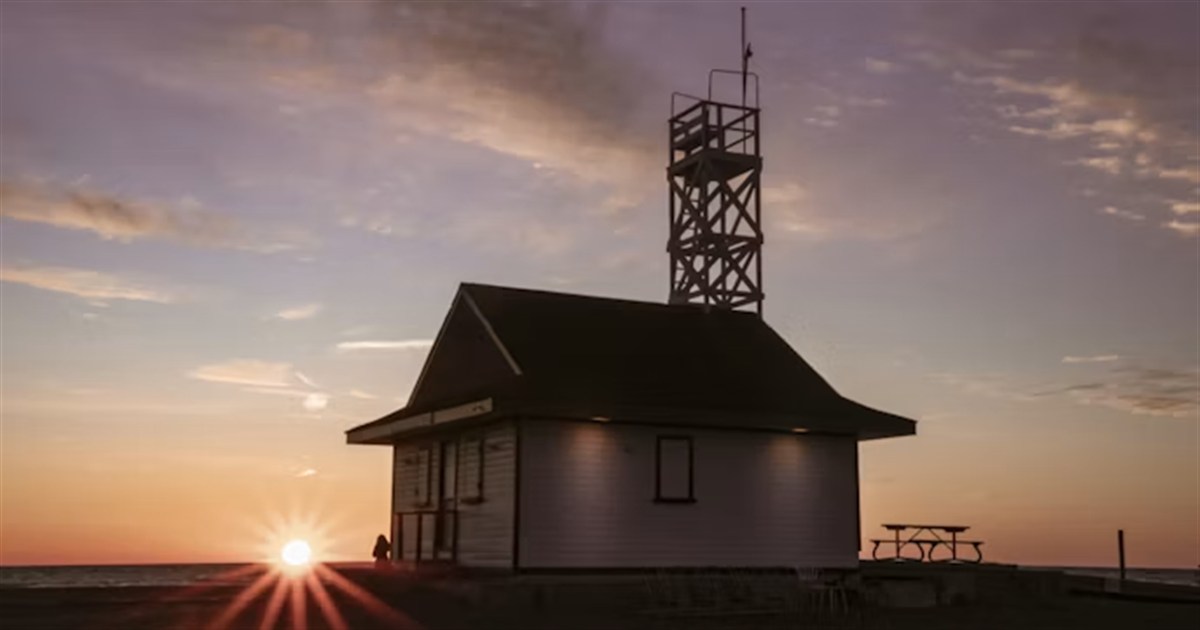
Queen Street East stays independent by design. Local shops and restaurants fill the strip instead of national chains, and residents actively push back on that changing. Head north and the neighbourhood's edge shows up around Kingston Road, where the small-town feel gives way to the rest of the city. At the foot of Leuty Avenue, the Leuty Lifeguard Station has stood since 1920 and is a well-known landmark on the lake. New buildings stay under five storeys here, a limit the community protects hard. That resistance to density isn't just a character detail. It's part of what keeps supply tight and the premium standing.
Who's Actually Buying Here
The buyer pool in The Beaches looks different from the rest of East Toronto. Median household income runs $135,114, well above the Ontario average, and 60 percent of residents hold a bachelor's degree or higher. Buyers span their 30s through 60s, and most are families settling in for the long haul rather than flipping or renting out.
This isn't an investor-heavy market, and that matters for how the price premium should be read. The numbers point toward people buying a home to live in, not a portfolio to manage.
The Honest Investor Case
Straight answer first: The Beaches isn't a cash-flow neighbourhood. Toronto's 2026 short-term rental rules restrict whole-home listings to principal residences only, cap entire-home rentals at 180 nights a year, and require $375 in annual registration plus a 6 percent municipal accommodation tax. Fines for unregistered rentals run $500 to $5,000 a day, up to $100,000 for serious violations. Airbnb-style income isn't realistic here at these price points, and there's no reliable public data on long-term rental yields for the neighbourhood either. That's worth stating plainly rather than papering over with a made-up number.
What does hold up is the appreciation case. Homes here sell in 13 to 18 days against a citywide average of 42, which signals demand that isn't slowing down. Combine that with the resistance to new construction covered above, and you get a real supply constraint, not just a lifestyle preference. Together, that points to a long hold built on scarcity, not a rental spreadsheet.
So the premium pays off differently depending on who's paying it. For a family moving in, it buys quality of life starting now: the boardwalk, the schools, the walk to Queen Street. For someone treating this as an investment, it's a bet on scarcity holding over years, not a monthly income stream.
Schools and Family Fit
Malvern Collegiate Institute ranks among Ontario's top 70 secondary schools. Courcelette Public School and Balmy Beach Community School both place in the top 100 for elementary. The area's graduation rate sits at 93 percent, ten points above the provincial average.
For families weighing the price gap against Leslieville or Riverdale, school quality is one of the clearest places that money shows up.
The Commute Reality
Downtown Toronto is under 30 minutes by car via Lakeshore Boulevard. The 501 streetcar runs the length of Queen Street and covers most local trips easily, backed by a Walk Score of 89. At rush hour, though, the streetcar slows down considerably. Anyone commuting downtown daily should factor that in rather than assume transit stays fast all day.
Frequently Asked Questions
What is the average price in The Beaches, Toronto?
Average listing price runs about $2.2 million, with homes selling around $1.68 million. That's 60 to 70 percent above Leslieville and Riverdale on asking prices, or roughly 25 to 37 percent above on closed sales. Both track back to proximity to the waterfront.
Is The Beaches good for real estate investment?
It's an appreciation-and-hold market, not a cash-flow one. Toronto's 2026 short-term rental rules restrict whole-home listings to principal residences and cap them at 180 nights a year, which rules out Airbnb-style income at these price points.
How much more expensive is The Beaches than Leslieville or Riverdale?
About 60 to 70 percent higher on asking prices, or roughly 25 to 37 percent higher on closed sales. The gap tracks waterfront access specifically, not general East Toronto price growth. See the full Leslieville and Riverdale comparisons.
What are the best schools in The Beaches?
Malvern Collegiate Institute ranks in Ontario's top 70 secondary schools. Courcelette Public School and Balmy Beach Community School both place in the top 100 for elementary, with a 93 percent area graduation rate.
Can I run an Airbnb in The Beaches?
Whole-home short-term rentals are restricted to principal residences only, capped at 180 nights a year, with $375 in annual registration and a 6 percent accommodation tax. Fines for unregistered rentals run up to $100,000.
What's the commute like from The Beaches to downtown Toronto?
Under 30 minutes by car via Lakeshore Boulevard. The 501 streetcar covers local trips well but slows down during rush hour, worth planning around for daily downtown commuters.
Book a Consult
Whether you're moving a family in or weighing The Beaches as a long-term hold, the numbers above are a starting point, not the full picture. Book a free 15-minute consult and get a straight read on what fits your situation.