Moving to Riverdale Toronto: Buyer & Investor Guide 2026
Riverdale sits on the east side of the Don Valley, close enough to downtown that a 20-minute commute is realistic, far enough that the neighbourhood actually feels like one. If you're thinking about moving to Riverdale Toronto, you're looking at wide streets, mature trees, and a housing stock that runs mostly Victorian and Edwardian.
Twenty years ago, Riverdale was a working-class neighbourhood with affordable rents and a quieter reputation. Today it's one of Toronto's most sought-after addresses on the east side. That shift didn't happen overnight, and it wasn't built on hype. It came from real fundamentals: transit access, good schools, walkable streets, and a community that put down roots and stayed. For investors, that history explains where the appreciation came from. For families, it's reassurance that the neighbourhood has real depth. This guide covers what you need to know before you buy: prices, property types, who else is buying, and where the real risks are.
Why Riverdale Works
Three things set it apart from other neighbourhoods at this price point.
Transit access is real. Broadview subway station (Line 2) is at the north end of the neighbourhood. The 504 King and 505 Dundas streetcars run through as well. Getting downtown without a car isn't just possible. It's quick and predictable.
The neighbourhood has texture. Riverdale Farm is a working city farm, free year-round, sitting inside the neighbourhood. Riverdale Park has one of the better views of the Toronto skyline you'll find east of the Don. These aren't checkbox amenities. They're reasons people stay for decades.
Rental demand holds steady. Proximity to downtown pulls in tenants who want space and quiet without a brutal commute. That matters whether you're buying a home with a basement suite or looking at a pure investment property.
The Danforth
The Danforth runs east-west through the heart of the neighbourhood and deserves its own mention. This isn't a strip of chain stores. It's Greek restaurants that have been operating for thirty years, independent coffee shops, a Saturday morning market energy that makes weekend errands feel less like errands. Most of what you need day-to-day, including groceries, a pharmacy, a dry cleaner, and a hardware store, is walkable from most Riverdale addresses. That kind of access is what converts people who originally came for the commute into people who can't imagine living anywhere else. It's one of the most practical selling points in the neighbourhood, and one buyers consistently bring up after they've settled in.
What You'll Find
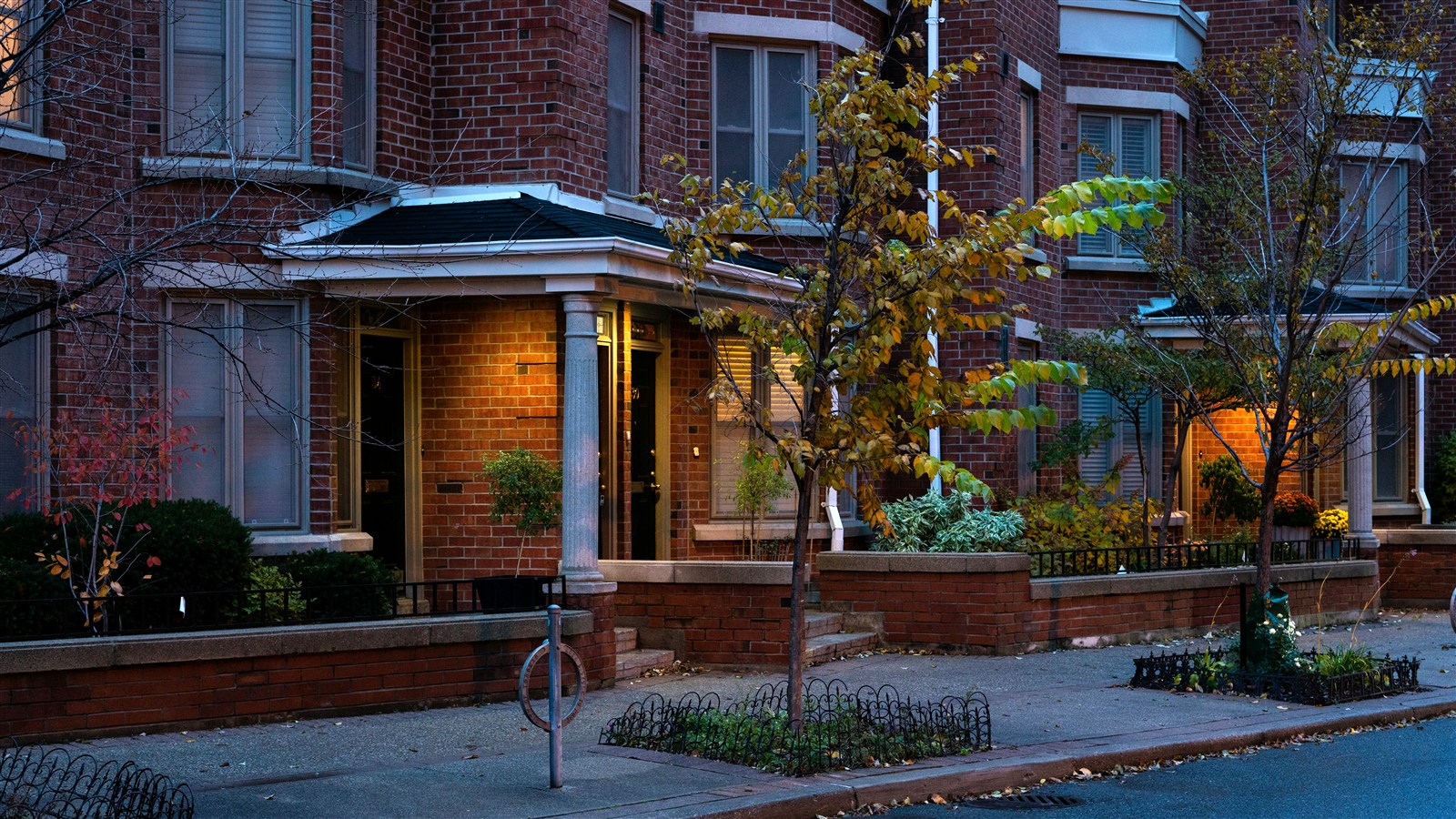
Riverdale isn't a condo corridor. The dominant housing type is the detached or semi-detached Victorian or Edwardian home: two to three storeys, narrow lots, often with a finished basement. Infill townhomes and low-rise condos exist closer to the Danforth, but they're a small share of the market.
Approximate price ranges for Riverdale homes in 2026 (these vary by block, condition, and lot size, so treat them as a starting point):
Detached homes: $1.2M to $1.6M, with some streets running higher depending on size and renovation status
Semi-detached: $900K to $1.2M, the most common entry point for buyers new to the neighbourhood
Condos and lofts: $600K to $800K, mostly in newer builds or conversions near the Danforth
A lot of the detached and semi-detached homes have basement apartments, legal or easily legalized. That changes the ownership math considerably.
The Investment Case
Investors have been watching Riverdale for years, and the core reasons haven't shifted.
Proximity to downtown drives rental demand. Tenants who want to live near the core but can't stomach condo prices tend to look east, and Riverdale offers square footage and neighbourhood character that a Yonge Street tower doesn't. A two-bedroom basement suite in Riverdale typically rents for $1,800 to $2,200 per month, depending on finish and location within the neighbourhood. Vacancy in well-maintained rentals here runs low.
Appreciation has historically tracked the broader Toronto market but with less downside volatility than outlying areas. The structural demand behind prices here doesn't evaporate in a correction. Transit access, good schools, walkable streets, proximity to the core: these things don't disappear when the market cools. That's not a return guarantee, but it's worth understanding before you compare Riverdale against a turnkey rental farther out.
If you're buying a home with a basement suite, the rental income from that unit can take a real bite out of your carrying costs. Ed works with investors on this specific math: what the realistic rental scenario looks like versus what the listing implies.
Who Moves Here
Three buyer profiles show up consistently:
Young families who want space, a yard, walkable streets, and strong schools. At the elementary level, Blake Street Junior Public School and Earl Grey Senior Public School serve the neighbourhood. Riverdale Collegiate Institute is a well-regarded secondary option. The farm and the park make the neighbourhood easy to commit to, and the school options mean families don't usually need to scramble for alternatives. Once people are in, they tend to stay.
Investors looking for long-term holds with income potential, particularly homes with basement suites or properties suitable for conversion. The math here works better than in many east-end alternatives: rental demand is consistent, tenant quality is solid, and a well-finished basement suite commands $1,800 to $2,200 a month on the current market. Buyers who run the income numbers before making an offer are usually surprised by how much the suite changes their monthly carrying costs.
Downsizers coming from a larger suburban home who want to be back in the city without living in a high-rise. Riverdale scores well on walkability, and the Danforth puts cafes, restaurants, and daily errands within a five-minute walk of most addresses. The transit access makes car-light or car-free living genuinely workable, which matters to buyers who are ready to simplify.
A Few Cautions
Riverdale isn't a market where you browse casually and buy when you're ready. Desirable streets, especially anything close to Broadview station or the park, move fast. Well-priced properties on sought-after blocks regularly receive offers within 7 to 10 days, sometimes less. In recent bidding situations, conditional offers have been accepted less than 30% of the time. Multiple-offer situations are common. If you're not pre-approved and genuinely prepared to move quickly, you'll end up watching the right property go to someone who was.
The other thing to know: Victorian and Edwardian homes are expensive to maintain. Knob-and-tube wiring, outdated plumbing, and older foundations show up regularly. A thorough home inspection matters here more than in a newer build. Work a realistic maintenance budget into your numbers before you fall for the original hardwood floors and the 10-foot ceilings.
Talk to Ed First
Riverdale has enough variation by street, by block, and by property type that a general guide only gets you so far. Ed knows which pockets are still reasonably priced, which ones aren't, and what the actual rental numbers look like on the properties investors are tracking.
A conversation upfront saves you time on listings that don't fit your situation and takes the guesswork out of pricing and offer strategy. No pressure, no pitch.
Not sure if Riverdale fits what you're looking for right now? Book a free consult with Ed and get a straight answer on whether Riverdale makes sense for what you're trying to do.
Frequently Asked Questions
Is Riverdale Toronto good for investment?
Riverdale has a strong track record for long-term holds. Rental demand is consistent, vacancy in well-maintained properties runs low, and the structural drivers of appreciation, including transit access, walkable streets, proximity to downtown, and strong schools, haven't shifted. It's not a speculative play. It's a neighbourhood where the fundamentals have held up through multiple market cycles.
What is the average home price in Riverdale Toronto?
In 2026, detached homes in Riverdale typically range from $1.2M to $1.6M, with some streets running higher. Semi-detached homes, the most common entry point for buyers new to the area, run $900K to $1.2M. Condos and loft conversions near the Danforth start around $600K. Prices vary by block, condition, and lot size, so treat these as a starting point.
How competitive is the Riverdale real estate market?
Very. Well-priced properties on desirable streets regularly receive offers within 7 to 10 days. Multiple-offer situations are common, and conditional offers have been accepted less than 30% of the time in recent bidding situations. Coming in pre-approved and ready to move isn't optional here. It's the baseline for being taken seriously.
Is Riverdale a good neighbourhood for families?
It's one of the stronger options in Toronto's east end. Blake Street Junior Public School and Earl Grey Senior Public School serve the neighbourhood at the elementary level, with Riverdale Collegiate Institute as a secondary option. Add Riverdale Farm, the park, walkable streets, and easy transit access, and it's a neighbourhood designed for families who plan to stay long term.
What types of homes are in Riverdale Toronto?
The majority are detached or semi-detached Victorian and Edwardian homes, typically two to three storeys on narrow lots. Many have basement apartments, legal or easily legalized, which affects the ownership math for buyers who want rental income. Infill townhomes and low-rise condos exist closer to the Danforth but make up a small share of the market overall.