Moving to Leslieville Toronto: Buyer & Investor Guide 2026 | East Toronto Living
The neighbourhood at a glance
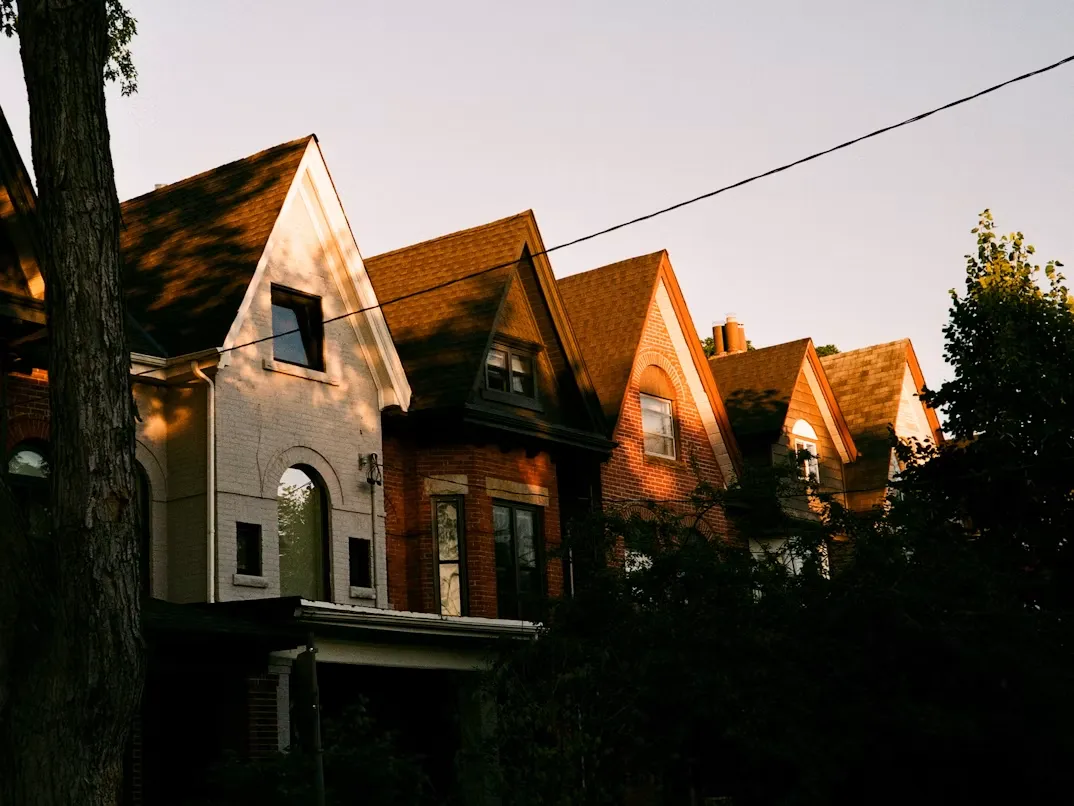
Leslieville sits along Queen Street East, running roughly from Carlaw Avenue to Greenwood Avenue. It's one of the more compact neighbourhoods in East Toronto, which means most of what you need is within a 10-minute walk. The housing stock is a mix of Victorian and Edwardian semis, detached homes on narrow lots, and a growing number of stacked townhomes and low-rise condos. Buyers here tend to be people who've already decided they want East Toronto and are now figuring out whether Leslieville or the Beaches makes more sense for their budget and investment goals.
Leslieville pricing in 2026
Semi-detached homes are trading in the $1.1M to $1.43M range right now. The floor reflects condition and lot depth; the ceiling reflects what happens when a well-presented semi hits a prepared buyer pool, as a Queen East-area home listed at $1,179,000 demonstrated when it sold at $1.43M in February 2026. GTA-wide, semi-detached prices are down about 4.9% year-over-year, so there's room to negotiate if a property has been sitting.
Detached homes are less common in Leslieville, and they're performing differently. The median sold price sits at $1,459,000 as of June 2026, up 9.5% from a year ago. That makes detached one of the stronger-performing segments in East Toronto right now.
On the condo side, two-bedroom units are currently listing between $590,000 and $719,000 at buildings like The Carlaw, with recent sales landing closer to $670,000. That's a meaningful pullback: condo prices in this area are down roughly 39% year-over-year, which matters if you're considering a condo as an investment. Buyers who want a unit to live in may find real value here; investors should run the income math carefully before committing.
Stacked townhomes sit between condos and semis. A recent two-bedroom, two-bath unit of about 1,045 sq ft listed at $699,786 in April 2026, though the June 2026 median sold price for the category is around $1,171,000. Townhome prices are down about 15.5% year-over-year, so this segment is also softer than detached. The $1.1M to $1.3M bracket is where buyer competition tends to be most consistent, so if that's your range, come in with a solid pre-approval and expect to move quickly.
Rental income potential
Leslieville is a strong rental market, and that's part of why investors target legal duplexes and basement-suite properties here. A two-bedroom unit in a semi or detached home rents for roughly $3,050 to $4,395 per month, based on active 2026 listings. The upper end of that range reflects newer finishes and proximity to transit. A basement apartment generally brings in around $1,575 to $2,200 per month for a one-bedroom unit with its own entrance.
A freestanding two-bedroom condo rents in the $2,500 to $3,100 range, consistent with the broader neighbourhood median of about $2,755 across all unit types as of early 2026.
Cap rate is the number investors use to measure how much a property earns relative to what you paid for it. Calculated as annual net income divided by purchase price, cap rates in Toronto's multi-family market currently sit at 3.5% to 4.5% broadly, with small multiplexes of three to six units reaching 5.0% to 5.5%. Condo rentals tend to land at the lower end, around 2.8% to 3.5%, which is why many income-focused buyers are looking past condos toward duplexes and semi-detacheds with legal suites. Properties with a confirmed secondary suite and clean permit history are getting serious attention before offers go in.
Streets that hold their value
Booth Avenue is worth knowing. It's a quieter residential street in the heart of Leslieville with solid architectural stock, good lot depth by neighbourhood standards, and proximity to the Queen streetcar without the noise. Carlaw Avenue runs the full spine of the neighbourhood and offers a mix of character homes and live-work opportunities near the commercial stretch. Properties here have held well through multiple market cycles. Bertmount Avenue is a short street that gets interest from buyers who want walkability and a low-traffic block at the same time. Morse Street draws attention partly because of its school catchment position and partly because the homes there tend to sit on wider lots than the neighbourhood average. De Grassi Street, made famous decades ago but still relevant today, holds value because of its streetscape and the consistency of its housing stock. If you're comparing blocks, these five are worth prioritizing in your search over more generic listings on the commercial connector streets.
Who's buying in Leslieville
Three buyer types show up consistently in Leslieville. The first is young professionals stepping up from condos, typically looking for a semi with a basement suite they can rent out to offset carrying costs. The second is investors specifically hunting for legal duplexes or properties with basement-suite potential, where the income component changes the math on what they can afford. The third is families who've priced out of the Beaches but still want the walkability, the cafes, and the East Toronto feel. Leslieville gives them that at a slightly lower entry point.
Transit and walkability
The 501 Queen streetcar runs along the southern edge of the neighbourhood and connects you to the downtown core without a transfer. Broadview Station on the Bloor-Danforth line is accessible by streetcar or on foot from the western end of Leslieville, and Donlands Station covers the eastern side. Walk scores in this neighbourhood typically sit between 85 and 90. Parking is the trade-off. Lots are narrow, street parking is permit-based and competitive, and if you have more than one vehicle, that's a real day-to-day friction point worth planning for before you buy.
Things buyers should know
Older housing stock is the baseline in Leslieville, and that means inspections matter more here than in newer construction areas. Knob-and-tube wiring (an older electrical system that most insurers won't cover without replacement), underpinning concerns, and foundation moisture are not unusual findings on a pre-war home. Budget for those conversations before you make an offer, not after. Lot sizes here are generally smaller than what you'd find one neighbourhood over in Riverdale, so if outdoor space is a priority, manage that expectation early in your search. The low-lying area near the Don River has flood plain considerations that are worth understanding before purchasing near the eastern boundary of the neighbourhood. And in the $1.1M to $1.3M sweet spot, you're often competing against other buyers who've done their homework. A Leslieville purchase usually comes together faster than buyers expect once they find the right property.
Frequently Asked Questions
What is the average home price in Leslieville in 2026?
Semi-detached homes in Leslieville averaged $1.1–1.3M in early 2026, with detached properties climbing higher. Condos and stacked townhouses offer a lower entry point, typically $600–800K depending on size and building.
Is Leslieville a good area for investment properties?
Yes. Leslieville’s mix of semis with basement suites makes it a solid buy-and-rent play. A finished basement suite typically rents for $1,500–1,800/month, helping offset carrying costs on properties in the $1.1–1.3M range.
How competitive is the Leslieville real estate market?
Very competitive. Well-priced properties regularly attract multiple offers and sell over asking within the first week. Buyers without a pre-approval or a clear offer strategy tend to lose out.
What type of buyer is Leslieville best suited for?
Leslieville suits first-time buyers wanting walkable urban living, young families looking for Queen East amenities without Beaches prices, and investors targeting semi-detached properties with income suite potential.
How far is Leslieville from downtown Toronto?
Leslieville sits just east of the Don River, roughly 20–25 minutes from the Financial District by TTC. The 501 Queen streetcar runs through the neighbourhood, and cycling infrastructure along Queen East and Lake Shore is solid.
Work with a local specialist
Ed has worked with buyers and investors in Leslieville for over a decade. That means he knows which blocks tend to produce clean inspections, which streets have permit history worth pulling, and how to frame an offer when competition is real. If you're weighing Leslieville against other East Toronto neighbourhoods, reach out. The conversation is free.