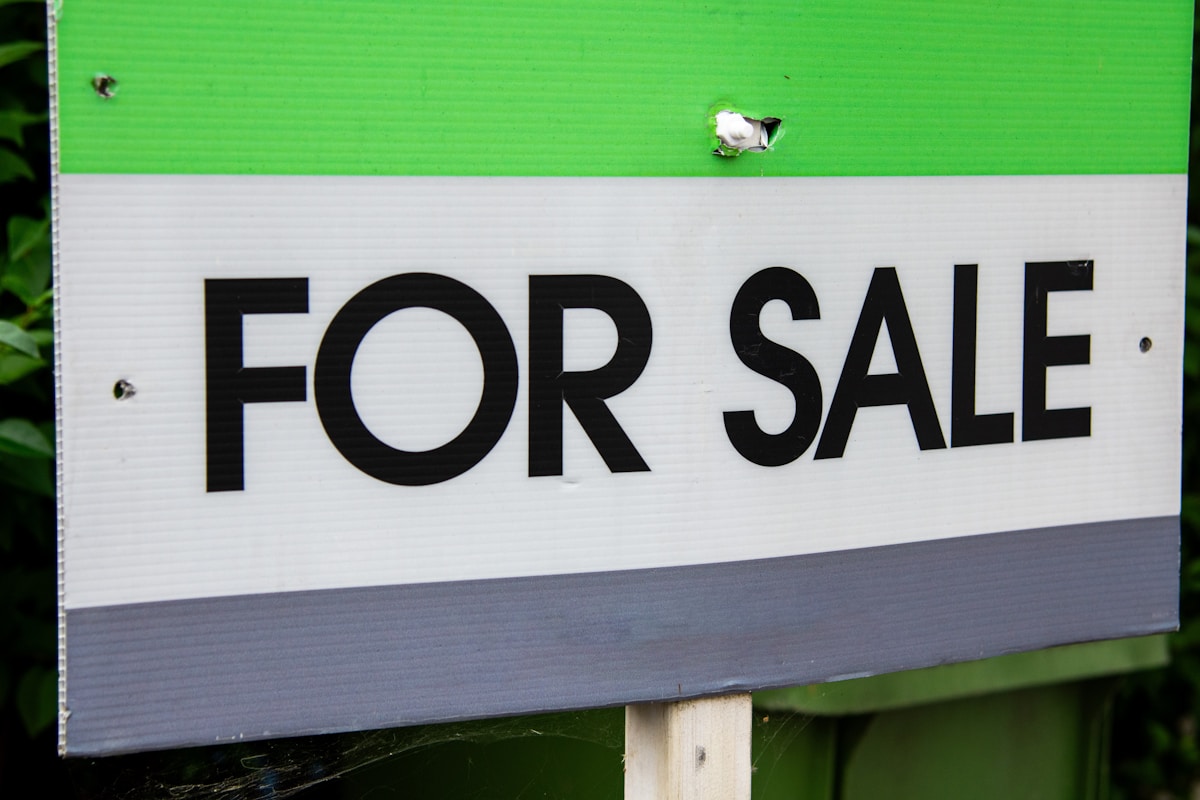
Why East Toronto Listings Expire (And What to Fix Before You Relist in 2026)
A listing that doesn't sell the first time isn't a verdict on the house. Most of the time, it's a pricing or presentation problem, and both are fixable. Here's what typically causes an East Toronto listing to expire, what the GTA market has actually been doing through the middle of 2026, and what's worth changing before the sign goes back up.
Why East Toronto Listings Expire
Most expired listings come down to one of three things: the price, the presentation, or the marketing. Overpricing is the single biggest factor, well ahead of weak photos, an unaddressed condition issue, or a listing that only reached the MLS and never got in front of real buyers.
Sellers often anchor to a number that reflects what they paid, what they need, or what a neighbour's house sold for two years ago, not what buyers are willing to pay today. Buyers filter out anything that looks overpriced before they ever click into the listing. National research backs up the second lever too: buyers' agents consistently point to photos and staging as the biggest factor in whether a listing gets a second look online, and property condition, things like overgrown landscaping, clutter, or deferred maintenance, keeps people from booking a showing at all. The third lever, marketing, is the one sellers notice least: a listing that only sits on MLS without a wider push (social, targeted ads, a real launch) starts the race a step behind.
None of this is about bad luck. It's about specific, identifiable things worth naming honestly before relisting.
The Real Cost of Overpricing
Across the GTA, the median time from a fresh listing to an accepted offer runs around 45 days, but the median total time a property spends on the market, counting relists, is closer to 67 days. That 22-day gap points to a meaningful amount of relisting activity happening quietly across the region right now.
An overpriced listing doesn't just sit and wait for buyers to catch up. It teaches the market to skip it. Every day it sits at the wrong number, fewer new buyers see it as fresh, and the eventual price correction needed to get attention again is usually bigger than a well-priced launch would have required in the first place. Pricing specialists generally point to a 3 to 5 percent cut as the threshold that actually moves a listing back into new buyers' search results and re-triggers saved-search alerts. Cuts smaller than 1 to 2 percent tend to fall below that threshold and go largely unnoticed. A string of small, incremental cuts, a percent here, a percent there, two weeks apart, tends to read as a seller under pressure, which invites lower offers rather than avoiding them.
What Buyers Notice First
After price, presentation is the biggest lever a seller actually controls. Photos are the first, and often only, impression a listing makes, and national buyer research consistently ranks photo quality above almost everything else in a listing description.
Industry studies on professional photography, mostly U.S. market data, so treat the exact numbers as directional rather than a Toronto guarantee, show homes photographed professionally selling meaningfully faster and for more money than the same homes shot on a phone. Staging tells a similar story: the majority of buyers' agents nationally say staging measurably helps buyers picture themselves in a space, especially in a home that's sat unsold before. Condition matters just as much, and it's the easiest thing to overlook the second time around: whatever specific feedback came back from the first round, buyer comments, agent notes, showing feedback, is the most useful data available for what to fix before relisting.
The Market vs. the Listing
It's tempting to blame a slow market for an expired listing, but the GTA market actually tightened through the first half of 2026, not loosened. The sales-to-new-listings ratio climbed to 41.4 percent in July, up from 34.6 percent a year earlier, while new listings across the GTA fell nearly 18 percent year over year. For anyone weighing a relist right now, that shift cuts against the easy explanation. A tighter market means less room to blame conditions and more reason to look at what's actually within a seller's control, the price, the photos, and how far the listing reached beyond the MLS.
Average selling price across the GTA sat around $1,003,956 in July 2026, down about 4.5 percent from a year earlier, and the MLS Home Price Index Composite was down a similar amount. Prices have been adjusting, in other words, not collapsing, and the broader trend points toward stabilizing rather than falling further. None of that is East Toronto-specific; it's a Toronto-wide picture, and individual neighbourhoods move differently within it. Leslieville, Riverdale, and the Beaches have all kept strong buyer demand through 2026, helped along by transit investment like the Ontario Line and simple inventory scarcity in walkable, established pockets. If a listing in one of these neighbourhoods expired while demand stayed this steady, the market is a much less likely explanation than the price or the presentation.
For an investor weighing whether to sell at all right now versus hold and rent, the trade-offs are worth a closer look before deciding either way.
How Long Before You Relist?
Timing the relist matters almost as much as what gets changed. Peer-reviewed research on relisting patterns found that homes taken off the market and put back up within a week tend to spend longer overall getting sold, not less.
A fast relist reads to the market as a superficial reset rather than a genuine second attempt, and buyers' agents respond with more skepticism, not less. Homes that stayed off-market longer, or came back with visible changes such as new photos, a corrected price, or finished repairs, tended to sell faster the second time. Switching agents by itself doesn't reset a listing's outcome either; what actually moves the needle is a real change in how the home is priced, shown, and marketed. A new agent who makes those changes is a different story than a new sign with the same everything else.
What to Fix First
Before any of that, it helps to name what not selling the first time actually feels like. There's the number itself, the one a lot of sellers are already anchored to before an agent even walks through the door, tied to what they paid, what they need for the next move, or what a neighbour's house sold for two years ago. And there's the letdown of watching weeks of showings turn into nothing, which makes it tempting to relist fast just to feel like something is moving again. Both are real. Neither one is a reason to repeat the same listing a second time.
Start with price, then presentation, then marketing reach, in that order. Correct the number based on what buyers have actually been willing to pay recently, not what the home is worth to the person who lives in it.
New photography is next, ideally shot after any staging or repairs are done, not before. Whatever specific feedback came up during the first listing, a showing note, a buyer objection, an agent's hesitation, is worth addressing directly rather than relisting and hoping the same issue doesn't come up again. And the listing needs to reach more than the MLS the second time: social reach, targeted local ads, and a real relaunch push, not a quiet re-post. The Expired Listing Rescue Kit walks through this exact sequence, pricing, presentation, and marketing, in order, and it's free to download.
If the issue wasn't presentation at all but what the property is legally allowed to do, it's worth checking whether a legal secondary suite or multiplex conversion changes the numbers enough to make holding, not selling, the better move.
Someone Who's Seen This Before
An expired listing usually isn't the seller's fault, and it isn't necessarily the previous agent's fault either. It's a signal that something specific needs to change, and identifying that thing is easier with someone who's watched a lot of listings go both ways.
Edward Morysiak and the Hardest Working Realty Team have closed more than 1,700 sales across Toronto and Scarborough, including plenty that didn't sell the first time around. That pattern recognition, knowing what an expired listing in Leslieville needs versus one in the Beaches, or what buyer feedback actually signals a pricing problem versus a presentation problem, comes from seeing the same situation play out repeatedly, not from a single formula applied to every address. A listing priced against last year's comps calls for a different fix than one that launched with weak photos or never reached buyers beyond the MLS. Telling those situations apart quickly is what that pattern recognition is actually for.
A 15-minute consult is enough to walk through what likely went wrong the first time and what a realistic relaunch looks like.
Frequently Asked Questions
Why did my listing expire?
Most expired listings come down to price, presentation, or reach, not bad luck. Overpricing is the single biggest factor, followed by photos and condition issues that keep buyers from booking a showing. A listing that only reached the MLS, without wider marketing, also struggles to get in front of enough real buyers.
How long should I wait before relisting my home?
Research on relisting patterns shows homes that go back on the market within a week of coming off tend to take longer to sell overall, not less. Waiting longer, or making visible changes like new photos, a corrected price, or finished repairs, tends to produce a faster second sale.
Should I lower my price before relisting, or fix other things first?
Both matter, but price usually comes first. A cut in the 3 to 5 percent range is generally enough to move a listing back into new buyers' search results. Presentation, photos, staging, and condition, is the next lever, since it determines whether buyers who do see the listing act on it.
Will switching real estate agents fix an expired listing?
Not by itself. Switching agents without changing price, photos, or marketing rarely changes the outcome. What actually helps is a real shift in how the home is priced, shown, and promoted, whether that comes from a new agent or the same one taking a different approach the second time.
What's the first thing I should do after a listing expires?
Review the specific feedback from the first listing, showing comments, buyer objections, agent notes, before doing anything else. That feedback usually points directly at whether the issue was price, presentation, or marketing reach, which makes the next relaunch a lot more targeted than starting over from scratch.
An expired listing is a fixable problem, not a permanent one. Book a free 15-minute consult to go through what happened and what a realistic relaunch looks like, or download the Expired Listing Rescue Kit to start working through it now.