Moving to Danforth/Greektown Toronto: Buyer & Investor Guide 2026
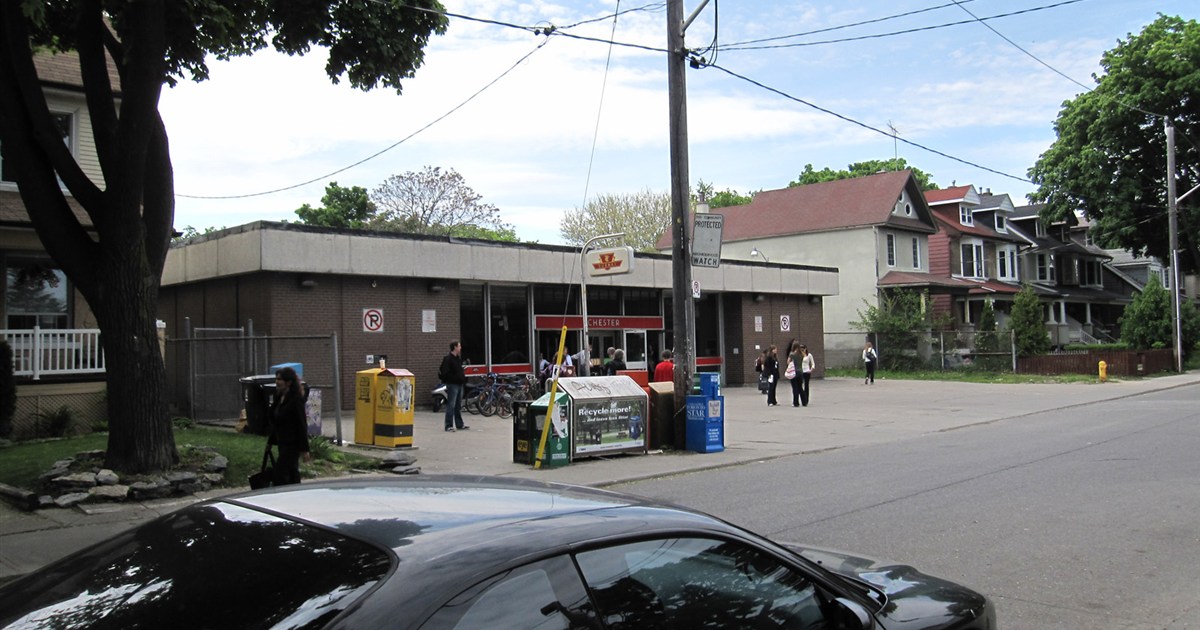
Four subway stations run straight through one stretch of Danforth Avenue. That single fact sets Danforth/Greektown apart from every neighbourhood covered so far in this guide series. Chester, Pape, Donlands, and Greenwood all sit on Line 2, cutting right through the corridor. For an investor comparing East Toronto neighbourhoods, that's not a nice detail sitting alongside the usual walkability talk. It's the argument.
This guide breaks down what buyers and investors actually need before choosing Danforth/Greektown: current pricing, the transit case, the housing stock, what's being built next, and the neighbourhood identity that keeps tenants and buyers coming back.
What Homes Cost Here
Homes in the Danforth/Greektown area typically list in the $1.7 million range, with sales more often closing closer to $1.17 million. Semi-detached homes, the dominant housing type north of Danforth Avenue, tend to sell in the high $900,000s to $1.2 million range. The average home in the area spends about 28 days on market before selling.
For context against the rest of this series: North Riverdale averages $1,591,576, South Riverdale sits closer to $1,070,000, and East York averages $1,163,000. The Beaches spans a much wider range, from $340,000 to $8.5 million, reflecting its mix of condos and waterfront estates. Those numbers put Danforth/Greektown in the same general range as the rest of this series, though the wider-corridor sourcing on the Danforth figures makes this a directional comparison, not a precise one.
Rentals tell their own story. Condo rents in Greektown proper average $2,495 a month, with one-bedrooms typically running $1,400 to $2,200 and two-bedrooms from $1,595 to $3,950. The area's median monthly rent sits around $2,100, well below the median monthly mortgage payment of roughly $3,200. That gap matters for anyone weighing the buy-versus-rent math on an investment property here, and it's part of why rental demand in this corridor holds steady. For a buyer choosing between a house and a condo here, that rent-to-mortgage gap is worth sitting with before deciding which route fits the budget.
Why the Subway Matters
Danforth/Greektown carries four Line 2 stations, more direct subway access than any other neighbourhood in this series. The area also scores 86 on Walk Score, placing it among the most walkable neighbourhoods in Toronto. Downtown sits a 15 to 20 minute subway ride away, with a straightforward transfer to Line 1 for anyone heading further north or west.
For an investor, that combination plays into steady tenant demand. Renters who want a car-free commute have a genuine reason to choose this corridor over neighbourhoods without direct subway access, and a walkable, transit-connected property tends to hold its appeal even as the rental market shifts around it. A tenant who can walk to a station in five minutes and skip a car payment entirely is a tenant with real reasons to stay. Compare that to a neighbourhood reachable only by bus or streetcar, where a tenant's commute depends on surface traffic. Direct subway access removes that variable entirely.
Housing Stock for Rental Income
North of Danforth Avenue, the housing stock leans Victorian and Edwardian semi-detached homes, brick-built and generally larger than what's found in some of the neighbourhood's newer pockets. Many already have finished basement suites, or layouts that make adding one straightforward. South of the avenue, the mix shifts toward condos, triplexes, and other multi-unit buildings.
Basement suites in the Danforth area currently rent for $2,800 to $3,200 a month. Legal basement units across the wider Old Toronto and East York area run somewhat lower, typically $2,400 to $2,600. Demand holds steady too, with dozens of basement rental listings active in the area at any given time, a sign of an established, ongoing income stream rather than a one-off opportunity.
For an investor, a semi-detached home with basement suite potential offers two income sources from one property: house rent above, suite rent below. That's a meaningfully different math than a single-unit condo, and it's a documented upside case in this corridor. Buyers looking at a semi-detached property here should factor that second income stream into the numbers from the start, not treat it as a bonus discovered later.
The Rushden Station Project
A major purpose-built rental development is heading to the corridor. Rushden Station, a joint project from AIMCo and Fitzrovia, will bring 1,304 units across three towers, ranging from 29 to 39 storeys, to the Danforth GO station site, a short walk from Main Station. Planned amenities include a rooftop pool, fitness studios, and on-site health services. The project's timeline has shifted to early 2027.
A development of that scale signals real confidence in long-term rental demand for the corridor. It's worth watching, both for what it says about where institutional money sees the area heading, and for how that much new supply may shape comparable rents once it delivers. For nearby owners and investors, that's both an opportunity and a variable worth tracking: more rental supply nearby can mean more competition, but it can also mean more amenities and foot traffic supporting the whole corridor.
The Greektown Strip
The Danforth Avenue retail strip, the commercial heart of Greektown, has carried bilingual English and Greek signage since 1982 and holds status as a protected commercial district with the City of Toronto. The strip took shape during the wave of Greek immigration in the 1950s and 60s, and by the 1970s had grown into the largest Greektown in North America. Close to 100 restaurants, cafes, and food retailers line the street today, many still generationally owned.
That kind of protected, established retail identity matters beyond the food. Dense, walkable amenities keep tenant demand steady and turnover low, which is exactly what an investment property needs from its surroundings. The strip also hosts Taste of the Danforth each August, drawing well over a million visitors to the neighbourhood over one weekend, a reminder of how much foot traffic and local energy this stretch of the city carries year-round. That mix of history and steady foot traffic is part of why the strip has stayed a draw for decades, rather than cycling through trends the way some retail strips do.
Living in Danforth/Greektown Day-to-Day
For buyers looking to live here rather than rent it out, the appeal is straightforward. Groceries, restaurants, cafes, and a subway station are all within a short walk from most homes north or south of Danforth Avenue. The mix of established semi-detached homes and newer condo stock means options exist across a range of budgets and household sizes, from a first home to a long-term family property. A first-time buyer might start with a condo south of Danforth Avenue, close to the subway and the retail strip. A move-up buyer or a growing family often looks north for a semi-detached home with more space and a backyard, while keeping the same walk to transit and groceries. Either way, day-to-day errands rarely require a car.
The Bigger Picture
Zoom out to the broader Toronto rental market and a few numbers frame the conditions this corridor operates inside. Vacancy across Toronto's east end sat at 2.6% in 2025, down from 2.9% the year before. Suburban Toronto cap rates for investment properties currently run 3.8% to 4.5%. Purpose-built rental vacancy across the GTA climbed to 3.0% in the last quarter of 2025, the first meaningful increase since before the pandemic, largely due to new supply coming online.
None of those figures describe Danforth/Greektown specifically, but they set the market conditions this corridor sits inside, and they're worth knowing before comparing any single property's numbers against the wider picture.
Frequently Asked Questions
Is Danforth/Greektown a good area for rental investment?
The combination of four subway stations, a high Walk Score, and strong, well-documented basement suite rents makes a solid case for steady tenant demand. It's not guaranteed data, but the fundamentals line up well for an investor focused on rental income.
What does a home cost in Danforth/Greektown?
Homes typically list around $1.7 million, with sales more often closing near $1.17 million. Semi-detached homes tend to run from the high $900,000s to $1.2 million. Those figures sit in the same general range as other neighbourhoods in this series, though the wider-corridor sourcing makes it a rough comparison rather than an exact one.
How's the transit access in Danforth/Greektown?
Four Line 2 subway stations, Chester, Pape, Donlands, and Greenwood, run through the corridor. Downtown is roughly 15 to 20 minutes away by subway, with a straightforward transfer to Line 1. The area also scores 86 on Walk Score, among the highest in Toronto, so most errands don't require a car.
What kind of housing stock is in Danforth/Greektown?
Victorian and Edwardian semi-detached homes dominate north of Danforth Avenue, many with basement suite potential already built in or straightforward to add. South of the avenue, condos, triplexes, and other multi-unit buildings are more common. That mix means both single-family buyers and investors looking for rental income have real options here.
What makes the Danforth strip different from a typical trendy street?
It's a protected commercial district with bilingual signage dating back to 1982, not a recently gentrified strip that could lose its identity in a few years. Close to 100 restaurants and food retailers, many still generationally owned, keep the area busy and walkable year-round, not just during festival season.
Is Danforth/Greektown a good fit for buyers, not just investors?
Yes. The mix of established semis and newer condo stock covers a range of budgets and household sizes, from a first home to a long-term family property. The walkability and transit access that appeal to renters and investors matter just as much to a buyer planning to live there for years.